How to Prepare for a Home Valuation: Simple Tips to Maximise Value

If you’re thinking about selling your home, one of the first steps is booking a valuation. And while an experienced estate agent should be able to see the potential in your property, a little preparation can go a long way in helping you make the best possible first impression.
The good news? You don’t need to spend thousands renovating your home before a valuation. Often, it’s the smaller details that make the biggest difference.
Here are some simple ways to get your home valuation-ready.
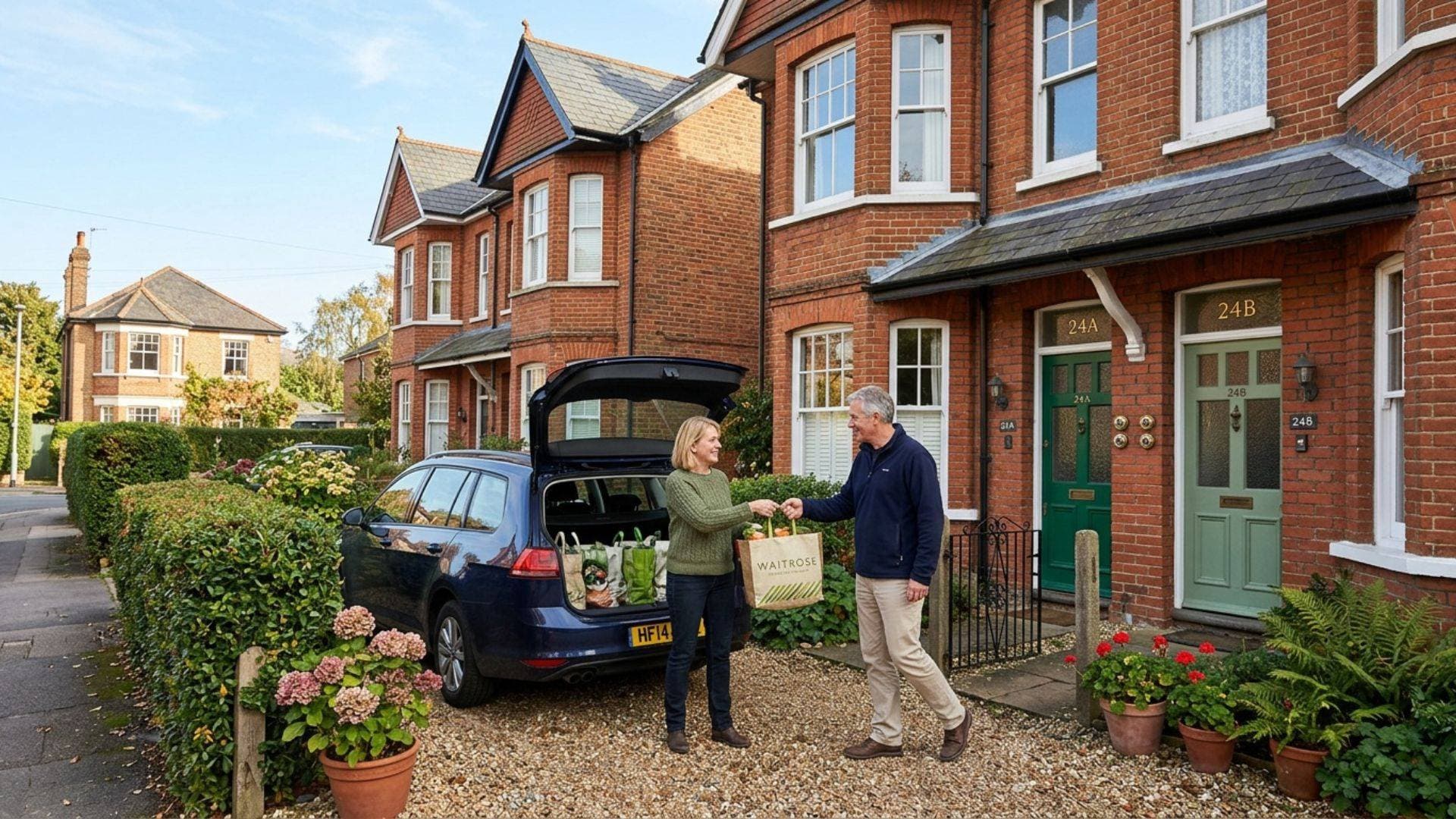
First Impressions Matter, Enhance Your Kerb Appeal
Before anyone steps through the front door, they’ve already started forming an opinion on your home.
A tidy, well-presented exterior instantly creates a more positive impression and sets the tone for the rest of the viewing or valuation.
Simple things can make a big difference:
-
Mow the lawn
-
Weed the garden
-
Sweep paths and driveways
-
Clean the windows
-
Tidy bins and outdoor clutter
-
Add a few plants or flowers if needed
You don’t need a complete garden makeover, just aim to make the property feel cared for and welcoming.
Deep Clean and Declutter
One of the easiest ways to improve how your home feels is by creating a sense of space and order.
A cluttered room can feel smaller, while a clean and organised home helps buyers, and valuers, focus on the property itself rather than distractions.
Try to:
-
Clear kitchen worktops
-
Put away unnecessary items
-
Organise children’s toys
-
Freshen up bathrooms
-
Vacuum and dust throughout
This doesn’t mean stripping all personality from your home. You still want it to feel warm and lived in, just not overcrowded.
Fix Minor Repairs Before the Valuation
Small issues can sometimes create the impression that larger maintenance problems may exist.
Things like dripping taps, cracked tiles, peeling paint or loose handles are usually inexpensive to fix, but leaving them unresolved can affect how the property is perceived.
A few quick jobs before the valuation can help present your home in the best possible light and prevent avoidable concerns from creeping into the conversation.
Maximise Natural Light
Bright homes tend to feel bigger, cleaner and more welcoming.
On the day of the valuation:
-
Open curtains and blinds fully
-
Turn on lights in darker rooms
-
Open internal doors where possible
-
Keep windows clean to let in more natural light
Even on gloomy Welsh weather days, a bright home always feels more inviting.
Gather Important Documents
If you’ve carried out improvements to the property, it’s helpful to have the paperwork ready.
This could include:
-
Planning permissions
-
Building regulation certificates
-
Boiler installation paperwork
-
Extension or loft conversion approvals
Having these documents available helps demonstrate that work has been completed properly and gives reassurance to future buyers too.
Make a List of Improvements
It’s easy to forget how much money and effort you’ve invested into your home over the years.
Before the valuation, put together a quick list of upgrades or renovations you’ve carried out, such as:
-
New kitchen or bathroom
-
New roof or boiler
-
Flooring upgrades
-
Insulation improvements
-
Security systems
-
Landscaping work
Even smaller improvements can help build a clearer picture of the home’s overall value and condition.
Be Ready to Talk About the Property
A good estate agent will ask questions about the home, so it helps to know a bit of the property’s history.
Useful things to discuss include:
-
When the property was built
-
How long you’ve lived there
-
Any major work completed
-
Previous issues that have been resolved
-
Why you’ve loved living there
Often, it’s the lifestyle and story behind a home that helps buyers connect with it emotionally.
Research the Local Market
Before your valuation, it’s worth having a look at what’s happening in your area.
Websites like Rightmove and Zoopla can give you a rough idea of what similar homes nearby have sold for or are currently listed at.
Just remember, asking prices and achieved prices can be very different, and every property is unique. An experienced local agent should be able to explain the reasoning behind their valuation and how current market conditions are affecting demand.
Be Honest About Any Issues
If there are known structural issues, damp, movement or anything else significant, it’s always better to be upfront about it.
Most problems can be managed or resolved during the sales process, but honesty early on helps avoid surprises later and allows your estate agent to guide you properly from the start.
Transparency builds trust, and trust keeps sales moving.
Final Thoughts
Preparing for a home valuation doesn’t need to be stressful. In most cases, it’s about presenting your home as clean, well cared for and ready for someone else to picture themselves living there.
And remember, a valuation isn’t just about putting a number on your home. It’s also your chance to ask questions, understand the local market and make sure you choose the right estate agent to guide you through the process.
If you’re thinking about selling and would like honest advice on what your home could be worth, we’d love to help. Get in touch with US 🧡
Share this article


Sign up for our newsletter
Subscribe to receive the latest property market information to your inbox, full of market knowledge and tips for your home.
You may unsubscribe at any time. See our Privacy Policy.