How to Prepare Your Home for an Estate Agent Valuation: 10 Simple Tips
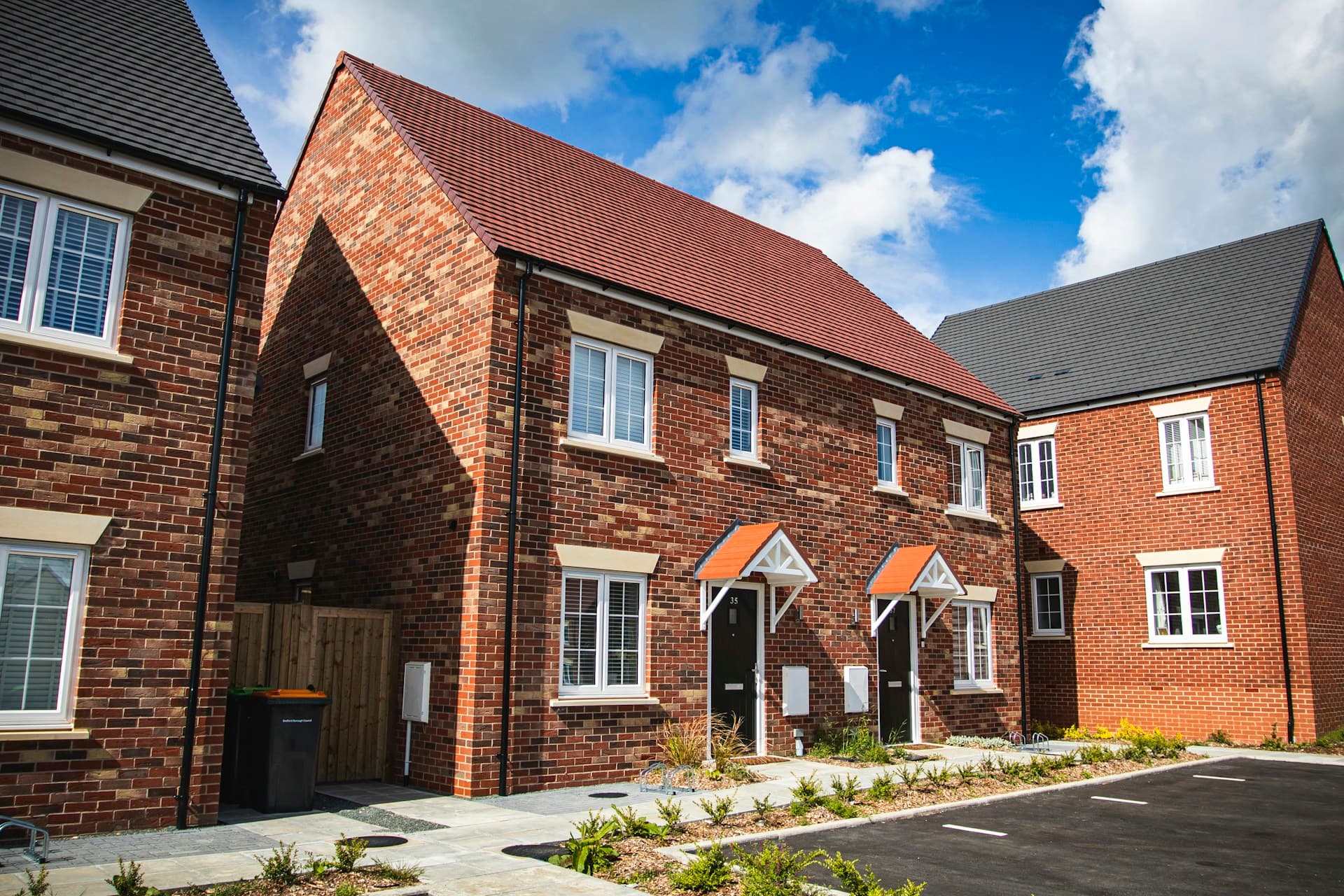
Thinking about selling your home? One of the first steps is finding out what your property could be worth.
Whether you're planning to move in the next few months or you're simply curious about your home's current value, booking an estate agent valuation is a great place to start.
But once you've arranged an appointment, you might find yourself wondering: Do I need to tidy the whole house? Should I finish those little DIY jobs? What will the estate agent actually be looking for?
The good news is that preparing for a property valuation is much simpler than you might think.
You don't need a spotless home, a freshly decorated living room or a perfectly landscaped garden. A good estate agent will look beyond the everyday clutter to assess your property's features, condition and potential value.
That said, there are a few simple things you can do to make the appointment more useful.
Here are our 10 top tips for preparing your home for an estate agent valuation.
1. Have a General Tidy-Up (But Don't Go Overboard!)
First things first, there's no need to spend the entire weekend deep-cleaning your home before your estate agent arrives.
A general tidy-up can make it easier to see the size and layout of your rooms, but we're not coming to inspect your housekeeping skills!
Clear away anything that might block access to rooms, windows or important features, and make sure your agent can comfortably walk around the property.
A little tidying can help, but don't worry if your home looks lived in. That's exactly what it's supposed to look like.
2. Make a List of Improvements You've Made
Have you installed a new kitchen? Replaced the windows? Converted the garage? Or perhaps you've added an extension?
Make a note of any significant improvements you've made to your property, particularly if they've been completed since you purchased it.
These might include:
-
A new kitchen or bathroom
-
Extensions or loft conversions
-
New windows and doors
-
Central heating or boiler upgrades
-
Garden landscaping
-
Garage conversions
-
Energy efficiency improvements
Not every improvement will increase your home's value by the amount you've spent, but they can influence buyer appeal and help your estate agent understand what makes your property different.
If you have relevant planning permissions, building regulation approvals or guarantees, it's useful to have these available too.
3. Think About What Makes Your Home Special
Every home has something that makes it stand out.
Maybe your garden catches the afternoon sunshine, you've got beautiful views from the upstairs bedrooms, or your kitchen has become the perfect space for family gatherings.
Perhaps you live in a particularly quiet cul-de-sac, have plenty of off-road parking or enjoy a location within walking distance of local amenities.
These are all things worth mentioning during your valuation.
As local estate agents, we know how important it is to understand not just the property itself, but also the lifestyle it offers.
Sometimes, the little details that you've grown used to are exactly the things that could make your home attractive to a potential buyer.
4. Don't Rush Into Expensive Renovations
One of the biggest mistakes homeowners can make before a valuation is assuming they need to spend money improving their property.
You might be tempted to replace an older kitchen, redecorate every room or invest in a brand-new bathroom before inviting an estate agent around.
But don't spend thousands before finding out whether it's actually worthwhile.
Some improvements can make a property more appealing, but that doesn't necessarily mean you'll recover the full cost when you sell.
An experienced estate agent can help you identify which changes might be worth considering and which are unlikely to make a significant difference.
Our advice? Get the valuation first, then decide whether any improvements are worth making.
5. Make Sure Your Estate Agent Can See the Whole Property
Your estate agent will want to understand the full size, layout and condition of your home.
That means having access to all the main rooms, as well as any extensions, garages, outbuildings or converted spaces.
If you've got a loft conversion, garden office or additional storage area, make sure you mention it.
There's no need to empty every cupboard or clear out the garage completely, but being able to see the property's key features will help your agent make a more informed assessment.
And if there's a room you can't access during the appointment, don't worry. Just let your agent know.
6. Have a Think About Your Moving Plans
A valuation isn't just about putting a price on your home.
It's also an opportunity to talk through your plans and understand what your next move might look like.
Before your appointment, it can be helpful to consider:
-
Are you looking to move as soon as possible?
-
Do you need to find another property before selling?
-
Are you relocating to a different area?
-
Are you downsizing or looking for more space?
-
Are you simply exploring your options for the future?
You don't need to have everything figured out.
In fact, plenty of homeowners book valuations long before they're ready to sell.
But having a general idea of your plans can help your estate agent offer advice that's relevant to your circumstances.
7. Research Local House Prices (But Don't Rely on Online Estimates)
It's completely natural to have a look at what other properties in your area are selling for before your valuation.
Websites such as Rightmove and Zoopla can be useful for researching nearby homes and getting a general feel for the market.
However, there's an important difference between asking prices and sold prices.
Just because a similar property is advertised for £350,000 doesn't necessarily mean it will sell for that amount.
Online valuation estimates also have limitations. They may not account for improvements you've made, the condition of your property or the finer details of your location.
For example, two three-bedroom homes in Rogerstone or Bridgend could have very different values depending on their layout, condition, garden, parking and position within the neighbourhood.
A professional valuation considers these individual factors alongside recent comparable sales and current buyer demand.
8. Prepare a Few Questions for Your Estate Agent
Your property valuation is a great opportunity to get professional advice, so don't be afraid to ask questions.
Some useful ones include:
-
How much do you think my property could sell for?
-
What recent sales support that valuation?
-
How long are similar properties taking to sell?
-
Are there any improvements you'd recommend before marketing?
-
What would your marketing strategy involve?
-
What are your fees, and what's included?
-
Is there a tie-in period or any upfront cost?
A good estate agent should be happy to explain their recommendations and answer your questions clearly.
After all, you're trusting someone to help you sell what is probably your most valuable asset.
You deserve to feel confident in their advice.
9. Be Honest About Any Issues With the Property
Every property has its quirks, and very few homes are absolutely perfect.
Perhaps you've had a previous roof leak, there's an area of damp you're concerned about, or a repair has been on your to-do list for a while.
It's always worth mentioning anything that could affect your property's condition, value or sale.
This doesn't mean your home will suddenly be worth significantly less.
It simply helps your estate agent provide realistic advice and identify anything that might need addressing before you put the property on the market.
Being upfront from the beginning can also help avoid unexpected issues later in the selling process.
10. Remember, a Valuation Isn't a Commitment to Sell
This is probably the most important thing to remember.
Booking a property valuation doesn't mean you have to put your home on the market.
You might be considering moving next month, next year or even further down the line.
You might simply want to understand how much equity you have in your property or whether your next move is financially realistic.
Whatever your reason, a valuation should give you useful information without making you feel pressured into making a decision.
At Urban Suburban, we believe in honest advice and giving homeowners the space to decide what's right for them.
What Actually Happens During an Estate Agent Valuation?
If you've never had your home valued before, you might be wondering what to expect.
Typically, your estate agent will arrange a convenient time to visit your property and have a look around.
During the appointment, they'll consider:
-
The size and layout of your home
-
The number and type of rooms
-
The overall condition and presentation
-
Gardens, garages and parking
-
Any extensions or improvements
-
Your property's location and nearby amenities
-
Recent comparable sales
-
Current competition and buyer demand
They'll also ask about your moving plans and explain what they believe your property could realistically achieve on the open market.
A good agent should be able to explain the reasoning behind their suggested asking price, rather than simply giving you a number.
It's worth remembering that an estate agent's market valuation is different from a formal valuation carried out by a RICS-qualified surveyor for purposes such as lending, taxation or legal proceedings.
How Long Does a House Valuation Take?
Most estate agent valuation appointments take approximately 30–60 minutes, although this can vary depending on the size and complexity of your property.
This allows time to look around the home, discuss its features, review your plans and answer any questions.
There's no need to rush the appointment. It's an opportunity to understand your options and get to know the agent who could potentially be handling your sale.
Thinking About Selling Your Home in South Wales?
Whether you're preparing to sell a family home in Cardiff, considering downsizing in Newport, planning a move from Bridgend or simply curious about property values in Port Talbot or Porthcawl, we'd love to help.
At Urban Suburban, we offer free, no-obligation property valuations across the areas we cover in South Wales.
We'll take the time to understand your home, explain the local property market and give you honest advice about what your property could realistically achieve.
And if you do decide to sell, our standard estate agency fee is £2,500 + VAT, with no upfront estate agency fee and no tie-in period.
No unnecessary pressure. No complicated fees. Just straightforward advice from local estate agents who know their areas.
Curious what your home could be worth?
Book your free, no-obligation property valuation with Urban Suburban today.
Share this article


Sign up for our newsletter
Subscribe to receive the latest property market information to your inbox, full of market knowledge and tips for your home.
You may unsubscribe at any time. See our Privacy Policy.